Sunday, March 31, 2013

Thursday, March 28, 2013
Saturday, March 23, 2013
Blog Assignment #9
Mr. McClung's first year of teaching was a period of growth and maturity which proved to be an invaluable experience. He explains that it's important not to get too caught up in your own appearance. As a teacher, making your students successful is your first priority, not impressing the boss and other co-workers. I have to agree with him. If you're too focused on how you look to others, you won't likely realize whether or not your own students are comprehending. You've got to remember who the audience is!
He also expresses the need to be flexible. While it's important to have a lesson plan to follow, things aren't always going to go as planned. It's more beneficial to everyone if you take the time to make sure the whole class understands, rather than rushing to cover the material in a certain amount of time. I think you have to be able to adjust. If you don't take the time to make sure the students are following along, then you're wasting your time anyway. Lesson plans can always be changed.
Communication is another important factor. Mr. McClung believes that it is the best way to solve any problems that may arise. You're going to see your students and fellow teachers almost every day, so it's better to resolve any issues and figure out how to prevent them in the future than it is to avoid it and let tension build up and make the situation worse. I think if you want your co-workers and students to respect you, then you have to be willing to make sure everyone is on the same page. Good communication skills are the only way that will happen.
He informs us that it's crucial to remember who you're dealing with as well. Students are going to make a lot of mistakes, and they won't always reach the bar that you set for them. That doesn't mean that they should be punished; as a teacher it's your job to keep encouraging them and to help them do a better job next time. I have to agree, sometimes you have to let the students set their own bars. He stresses not to lower standards for yourself either. Don't be afraid of something as powerful as technology just because you haven't mastered it yet. In my opinion, you have to look at it as an opportunity for you to learn along with your students. You don't have to know everything!
Mr. McClung has learned first-hand how valuable it is to listen to your students. You're a vital part of their learning experience; just hear them out. You may be the only one willing to help them, and they'll be grateful that you did. Taking an interest in your students is the only way you'll really get to know them and be more equipped to guide them to success. Not only that, but you have to be willing to do the same thing that you're asking of the class: learn. He says if you can't grow as an educator, then students won't be able to reap the full benefits of your teaching. I'd have to say that he's right on target; you can't expect students to rise to a challenge if you can't even do it yourself.
What I Learned This Year - Volume 4
At the end of his fourth year teaching, Mr. McClung explains to us that for most of the year he still worried way too much about what his superiors thought about him. All of that unnecessary added stress did nothing but affect his mood in a negative way, and that in turn was taken out upon his students. He finally realized that it didn't matter one way or the other whether or not his peers approved of his teaching, as long as his students were benefiting from it. If the kids are enjoying the class and come in eager to learn, changing tactics just to impress others is only going to take away from their learning experience. I plan to make sure that my students are always put first. I'll feel better about the end result, and I will have helped them to reach their full potential. Changing even one life for the better will make it worthwhile; that's what teaching is all about!
The bottom line is: if your students aren't enjoying the lessons that you give them, they won't learn. It's easy to fall into a routine and form lazy habits. Mr. McClung was enlightened when he found out that he would get to teach different classes his fourth year. He noticed that he had relied too much on lesson plans from previous years, and also that he hadn't come up with any creative new ideas to keep his students on their toes. While it's easy to teach something that you've become comfortable with, it's even easier to become boring and monotonous without even realizing it. If kids resent going to class because they hate the experience, then you're setting them up to resist knowledge in the future. As teachers, we should want our students to enjoy learning and be ready and willing to share it with others; not be the reason they are afraid of it.

Sunday, March 10, 2013
Friday, March 8, 2013
C4T Summary

In his second post, Steve tells us what a gold mine social media really is. For one, it allows for what he calls "active learning". What he means by this is letting students express what they've learned, whether it be through blogposts, podcasts, or something more advanced; rather than feeding them the information with no chance for them to reproduce the new knowledge. These are effective tools to use because they allow the students to share their work with others and gain valuable connections and feedback. He reminds us that this can only happen if teachers are willing to utilize these tools for what they're really worth, and if school districts will be willing to unblock these resources. I definitely concur with his thoughts. Spreading the knowledge that they have learned gives them a valuable experience that they will be more likely to remember in the long run. Not only that, learning how to share information early is vital to success in future endeavors.
Sunday, March 3, 2013
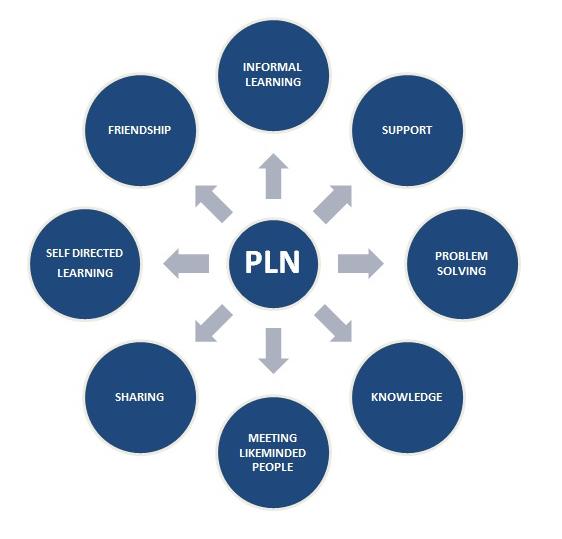
Project 9: PLN Progress Report
C4K Summary
 Thomas told us what he thought YouTube would be like if it existed in 1912. He believes that there would be a lot of propaganda because it was right before the first world war. However, the common people would post goofy videos like we do today, and the working class would be advocating better wages and working conditions. I agreed with him, because YouTube is a great place for advertising. Also, people post about things that they can relate to in their everyday lives, and all the things he mentioned occurred during that time period.
Neal loves hockey, and his favorite team is Pittsburgh. When he plays, he likes to have a snack and power drink on hand. He's pretty good at playing hockey too, he scored 20 goals! I asked him if he scored all of those goals in one game, and what kind of snack he likes to have. I also wondered if he had any other favorite teams, and told him that he would have to show me the ropes; I don't know too much about hockey!
Paikea and Skye are just starting a new school year in Room 6. I told them that I hope they have a good year and learn many new things. I also wish to see more of their blogs soon!
Blog Assignment #7
I have to admit that I was fascinated by Dr. Pausch's lecture. The biggest, or at least what I believe to be the most important thing that I learned from him, is that the only boundaries you have are the ones that you set for yourself. Yes, there are going to be road blocks along the way and people are going to tell you no, or that you can't do it. However, we have to remember that other people aren't the ones guiding our path. If one way doesn't work, there's always a second option. You just have to be willing to find it. Even sometimes when our dreams don't work out exactly the way that we planned them to, such as Dr. Pausch not being able to play in the NFL, the lessons that we learn along the way and can pass on to others are well worth the journey.
As an educator, I know that my job is not to limit my students, but rather to give them all the tools that they need so that they are ready for any challenges that they may face. Dr. Pausch helped me to realize that the language I use is a big factor in their success as well. Saying "I don't know" to a student versus saying "I don't know, tell me more" can make all the difference. Just because I don't know how to do something or how to help them get started doesn't mean I can't encourage them to pursue it and help them to get the connections they need so that they can move in the right direction. When I teach, I plan to encourage all my students and give them helpful advice rather than tell them I can't help and blow it off. Sometimes that little extra push can be the difference in whether they choose to pursue their dreams or not.
Dr. Pausch made some revolutionary changes at Carnegie-Mellon. Not only did he help to make a new program where kids could create amazing projects that were devised completely from their own instruction, but by sharing it with the rest of the school; he allowed fellow students, parents, and teachers alike to get a taste of the amazing things that creativity and imagination can produce. In my classroom, the students will be able to venture down the paths of their mind that they didn't even know they had. I won't set a bar, because letting them do projects where there are no guidelines forces them to think and use their own creative judgement. It's easy to follow a set of instructions and do homework or a project. However, it's not so easy to create something when there are endless ways to complete the task. It's not the end result that's so important, but rather finding the path to get there and knowing how to do that in all aspects of life that makes the ride worthwhile.

Sunday, February 17, 2013
Blog Assignment #5
I had no idea who Krissy Venosdale was, but after browsing through her blog it didn't take me long to find out. She's an elementary school teacher with a huge passion for learning and giving her students the best experience possible. Not only that, but she realizes that "you have to be a learner to be a teacher". In my opinion, that statement alone has to be the basis for any educator if they want to maximize their potential.

Her idea of a dream school is amazing; any student that attended would be much more prepared for the 'real world'. Her emphasis on understanding the cirriculum rather than just covering it is the reason for that. Building robots, going on field trips, having experts share their opinions, group projects, and a comfortable learning environment are just a few of the tools that she would implement. I believe this type of learning environment would be so successful because it not only teaches the kids what to learn, but how to learn as well. Reading, writing, and math are all necessary bases for any career, but what about beyond that? Hands-on learning as she suggests gives students the knowledge they need, but it also allows them to be able to think for themselves and learn from their own experiences. Working with other students helps them to collaborate and use their mistakes not to be punished, but rather as a motivation to accomplish their goal together. In the working environment that's a key tool; everyone is working together to establish a common goal. This type of learning gives them REAL preparation!
I love Mrs. Venosdale's idea of having 20% time. In other words, a period every day in which kids can sign up to do something that they're passionate about. Personally, I think this is her best idea. Sitting through class after class all through elementary, middle, and high school leaves most kids with no idea what type of career path they'd like to pursue. Instead of wasting money and a few years of college trying to figure out what you enjoy, why not go ahead and start early?? This period of time gives them an opportunity to explore many different things and focus on their passion when they find out what it is. Honestly, if i could have my own dream school, I can't think of one much better than the one Mrs. Venosdale has painted a picture of. The only thing I would add is some time for individual projects...sometimes it's useful to have to come up with everything on your own and see just how far your brain can stretch!
Eric Whitacre's Virtual Choir - 'Lux Aurumque'
First of all, how is this even possible?! I can only imagine how much work went into this, seeing that 185 voices in different places had to be put together. Using the internet in this way is a great form of creative expression. If this hadn't been done, how else could this work of art been displayed? Making use of tools that can do things like this on the computer is an excellent way to showcase talent that otherwise might not be possible. Plus, you're connecting with people from around the world. As the saying goes, two heads are better than one. Look what happens when you use 185 of them...
Teaching in the 21st Century
Roberts clearly expresses that he believes learning shouldn't be about facts and data, but rather necessary life skills and how to process and use valuable information. There are a million different sources where information can be found: Google, Wikipedia, YouTube, Facebook, Twitter, and the list goes on. However, how do we know that the information is useful and reliable? When teachers give assignments that simply require putting down an answer that was Googled on a piece of paper, no learning is going on. As an educator, I can't necessarily make sure every single one of my students knows how to set up a credit card, pay bills, file taxes, fix a car, and plenty of life's other necessities. However, what i can do is make sure my students know how to use the tools that they have so that they can figure out how to do these things the correct way.
While I don't necessarily agree with him that values and morals should be taught; I believe that should be left to parents and each child's own experiences, I do think that we have to lead by example. No two people's morals or values are going to be exactly the same, but as educators we should know right from wrong and be able to be a good role model and help kids find the answers they need in regard to those subjects. However, I completely agree with him that we have to be the ones to help them avoid such things as piracy and copyrighting. After all, teachers are the ones who ask their students to find information. It's not fair of us to do that if we don't teach them how to recognize which information is okay to use, and the best ways to find it.
Flipped Classroom
I am definitely going to use this technique in my classroom. Personally, I don't want to stand in front of classes all day long and do nothing but lecture. I'll get tired of that and so will my students; plus they aren't going to remember much of it. A lot of teachers lecture and then use homework as the application. However, if a student is doing the work at home, they can't get help if they have any questions. Sure, they can ask in class the next day, but a teacher isn't going to have time to answer all of those questions effectively. By flipping the classroom, they have already reviewed the material and class time can be spent applying it. Not only does that give me more time to get the students actively involved in the learning process, but it also allows students who are behind to review the material as many times as they need to in order to catch up. While some of the kids might try to neglect reviewing before class, that would be an easy thing to remedy with rewards if they have clearly gone over the material, and consequences if they have not. I think a flipped classroom is an excellent way for a teacher to get the most value out of the time spent with students.
Sunday, February 10, 2013
Blog Assignment #4
I'll have to admit that I was a bit skeptical about Podcasting at first. I was wondering how exactly making a video would teach students anything valuable. Well, Langwitches did a great job answering that question for me! For one, I can see how it would be an excellent approach to learning a new language. Instead of just hearing foreign words read out loud, students get to practice voice expression which allows them to attach meaning behind the words so that they will better remember them later. Not only that, participating in the editing process gives them even more practice at recognizing words and comprehending how they fit together to make a complete thought. It's a learning process similar to reading, but they also learn to attach feelings and emotions behind it since they are the voices of the Podcast; something which isn't usually achieved by reading words off of a paper!
Another important role that a Podcast fulfills is giving the students an audience. While it may not seem significant, young children love to know that they're doing the right thing and that their achievements have been recognized. They love attention, and why not let them know that they're doing a good job? Young kids might not always understand the importance of learning to read and comprehend, so it's important to give them that extra motivation. It's also clearly implied that Podcasts emphasize repetition. Just think: they record their voices (sometimes multiple times if they don't like the way it sounds or if it doesn't have enough emotion), take part in the editing process and putting together all of the sentences in the correct order, and then listen to the finished product multiple times. I believe this adds more valuable skill to the learning process rather than just reading or listening to a book only once.
I will definitely use Podcasts in my classroom. What better way to incorporate interactive learning?! Some people are visual learners, while others benefit more from audio. This approach combines the two and adds hands-on experience. Learning by doing gives them the skills they need and motivation to try other new learning processes in the future. New knowledge can be fun, and it's much more likely to be remembered in the long run!

C4T #1 Summary
Royan Lee is the creative owner of the Spicy Learning Blog. In his first post that I commented on, "Writing in Snippets ~ How I Blog", he explains to us how he doesn't write his blog posts all in one sitting. Instead, when he has a thought, he takes out his phone and jots down notes and ideas. His reasoning for this is that he is a very busy person. Being on the go all the time, he has a lot of scattered thoughts that he doesn't always finish. Taking the notes allows him to go back to it later and be able to complete his thought. I agreed with him that this was a very useful technique for blogging that I had never thought of. Personally, I do it all at one time. However, it does make sense to write down what's on your mind and come back to it when you have time to completely think it through. Great idea for the everyday multi-tasker!
In his next post, "Don't Call It 'Gym'", he explains why he prefers to refer to the class as Physical Education. Usually with the word 'gym' comes the thought of basketball all day every day. However, Mr. Lee informs us that the term is old and outdated. Why does it even matter?! Because times are changing and Physical Education classes are focused on learning the skills of a sport rather than competition resulting in wins and losses. Even one of his students made sure another kid knew that 'gym' was too 'old school' of a term to use. Talk about a proud teacher! I agreed with him once again and stated that students and teachers alike need to understand that PE is no longer about pointless playtime, but a time to actually learn. The fact that his student realized the message he was trying to get across is a success in itself!

Thursday, February 7, 2013
Special Blog Post #1
WolframAlpha would be an excellent resource for both me and my students. It gives accurate comparisons so quickly! If I had tried to google the population of each of those separately, I would have had to search through a million plus pages that would've all given me different numbers. The option of using a favorites and a history tab will help my students a lot because they can refer back to the information that they have learned. Not only that, but the website puts similar information on whichever page that you search. For example, when I searched for the population, it also gave me other demographics that compared the three of them. I will definitely be using this in my classroom!
Gary Hayes Social Media Count
Watching how fast all of those counters changed made my head hurt. It's amazing how technologically advanced our world has become. As a teacher, that means that I've got to keep up! 30 years ago, half of the things that the social media count compares didn't even exist. There was no facebook, no email, no text messages...none of that. Personally, I've never used a typewriter but I've seen plenty of them. The students that I have won't even know what a typewriter is!
When I'm teaching, just as it happened to the generation before me, most things that I use in my classroom are not invented yet. I will have an important role as an instructor, but I will also have to know how to be a student as well. Not only will I have to be open to new technology, but I will have to learn it so that I can most effectively communicate with my students and prepare them for a future that no one can predict.

Sunday, February 3, 2013
Blog Assignment #3
I think that staying positive is by far the best suggestion when commenting on someone else's blog. I know if it was me, I wouldn't mind being corrected, but it's kind of a slap in the face if you only tell someone what they did wrong and ignore the many things that they did right! No one wants to feel stupid. As far as commenting and editing my classmates blogs, I feel like it's more appropriate to comment on what they have to say and give only positive feedback on their blog page, and leave suggestions and corrections to be handled in a private email. Blogs are public and are meant to share the information we've learned, so I believe that any kind of critique that is left shouldn't be for the world to see.
I liked the video of the kids and the peer review mistakes. Sometimes we don't think of how our words may sound because we've become so accustomed to giving feedback over the internet. If we aren't careful, the words that we say may not come across in the manner that we intend them to. I think that the kids are a good reminder that there are so many ways that our words can be interpreted and only by following certain guidelines can we get our point across; but also make suggestions that will actually help the person to feel good about their corrections and their new, improved writing. Compliments, suggestions, and corrections are good steps to remember when commenting, but once again staying positive is the most important! We've got to remember that the corrections that we suggest are to build that person up and help them become a better writer.
Assistive Technologies
The Mountbatten is fascinating technology! The fact that it has audio output and types the brail at the same time makes it so much easier for blind students to learn new words and phrases. The beauty of this is that the student doesn't have to have anyone else helping them. It's something that they can do on their own time and it also allows them to have a little independence and not have to rely on someone else. Sending and transferring files from the Mountbatten to a computer is a lot more convenient as well and allows them to have a little bit better adjustment to the working world. I would definitely use this in my classroom for my blind students as a way to enhance their learning and give them something that they can do on their own, so that they will hopefully be more accepted by their peers in the classroom environment!
I have to start off by saying that I was amazed at what the IPad could do. I had no idea there was a way to have an audio output for everything on the touchscreen...that opens up a whole new world for the visually impaired! It's so much more convenient to be able to use one device to read books, surf the internet, listen to music, etc; rather than having to use separate tools or having assistance from someone else. The tool for teaching math to the blind is also a really great idea. Even though that device might not always be available to assist with math problems in the working world, it does indeed provide an excellent foundation to learn how to solve math equations for beginners. While they can't see what they're doing, they at least understand the concept and that's the important thing.
I would definitely use the IPad in my classroom. It already has so many educational applications available, and adding audio to the touchscreen makes it just as accessible to the visually impaired as it does to those that can see. I think that this is a big step in trying to provide a quality education to all students, which would be a lot harder to do without this device. As I mentioned earlier, this also gives students more independence and confidence so that they will be on the right track to becoming a successful individual. Not only that, but it is a complement to what the teacher has to offer and makes it easier to keep all students up to speed so no one gets left behind!
Harness Your Students Digital Smarts
I think that being in Vicki Davis' class would be a very rewarding experience. Just the simple fact that they have connections to people all across the world is enough to make the class worthwhile. As we know, technology is constantly changing. The way she teaches embraces progressive learning and allows her students to find new knowledge on their own. Learning from your own experiences is just as important as learning from an instructor; something that EDM 310 embraces as well. It's great that her students were not only teaching each other, but that she learned from them too. Knowledge is useless to minds that only know how to share it by writing answers down on a test.
In today's world, staying connected is everything. I like how Mrs. Davis and her students collaborated with so many other people outside of the classroom. Not only were they learning about technology and how to gain new knowledge on their own, but they were also able to become comfortable with networking with others; something that will be very valuable once they get out of school and begin their working lives. Her class will allow all those students to use knowledge in a way that they won't forget and that will benefit them, as well as something that they can pass on to others eager to connect to the world.

Sunday, January 27, 2013
Blog Assignment #2
Did You Know? 3.0 - A John Strange 2012 Version
First of all, I must say, no I did not know! That's incredible. I know that many people use Google, YouTube, and send SMS messages daily, but the fact that MILLIONS of people use them every second just blows my mind. That really goes to show how technologically dependent we have become. I don't know if I am anywhere near being prepared to be an educator. Sure, I know the basics of most subjects. However, I never considered that when the kids that I will teach graduate, the jobs available will be so much more advanced than they are now. I wonder how educators that don't have classes like these will accommodate? I need to learn as technology progresses so I will be able to adequately prepare my future students!
Secondly, you would think America, the strongest nation in the world right now, would be the smartest. The fact that we are a dwarf in comparison to India's intelligence is just ridiculous. Not to mention China will soon have more English-speaking people than the rest of the world! Well, why aren't more of us learning to speak Chinese, or even Spanish? We have so much technology, which increases by the minute, yet there are still millions of people who are so much smarter than us. That makes me question if we are really putting our resources to use. We can have all the knowledge and technology in the world, but it's only good to us if we all know how to use it! It can make us so much smarter, or just that much dumber...
Mr. Winkle Wakes
Wow, this video really left an impression on me. I was a bit confused as to what the video was about at first, and what exactly Mr. Winkle was trying to find. However, it turns out to be quite ironic. The one thing he found joy in was really the thing he should have been most disappointed to see. We put so much effort into technology and appearances, making everything appealing to the eye and to the working body. On the other hand, it leaves one to question: how much do we really care about education? We need to understand that the knowledge base of today's children is just as important, because they are the ones who will control the future!
Another disturbing thing is how true this video really is. Granted, there are some schools and classes, such as this one, which implement the use of technology. More often than not, however, a teacher standing up and lecturing all day while the students listen is the only form of learning. I've had several teachers myself that stood up and just talked all period, and honestly I didn't learn a thing. It's quite easy to memorize the material and regurgitate it onto a test. Until teachers start using more innovative technology and giving the students hands-on learning, today's kids won't be able to reach their full potential.
Sir Ken Robinson: The Importance of Creativity
I love some of the points Ken Robinson made in this video. I completely agree with his statement that we don't grow into creativity, but rather we grow out of it. It's true that schools basically train their students to fit the mold of whatever the fastest growing jobs are, rather than fitting the schooling to match the child's personality and needs. Our creativity is gradually taken away, and it turns us into the fearful individuals that he referred to. Honestly, it limits our full potential as human beings. When that confidence is taken away, it's hard to get back and some people won't make important life changing decisions, not because they aren't fully capable, but simply because they've been told so many times that they can't do something that they start to believe it.
I can also relate to his reference to stereotyping. Americans are so quick to point a finger and try to label people when they aren't exactly the same as everyone else. Personally, I believe a lot of that just has to do with not wanting to deal with those special kids. They'll label them with ADHD or some other learning disorder in a heartbeat rather than actually talking to the child and trying to figure out why he/she is acting that way. In the long run, that just leads to more problems. When that creative outlet is taken away, especially from kids who learn better actively, that pent up emotion has to come out somewhere, and many times that's where the behavioral issues begin. If we actually took the time to figure each child out, I think we would find that there is a lot more diversity than just the usual 9-5 job that most schools put their students on the path for.
In Light of Mr. Winkle Wakes...
The way teachers educate and how classroom learning is set up has got to change. Just lecturing isn't going to work forever. Technology is improving so quickly that eventually lectures and written tests aren't going to be able to give students the full benefit of education. Really, teachers who do that even today are missing out and so are their students!
Interactive learning is the new trend. Knowing how to effectively communicate with people in the outside world is key to being successful in any career path. Why not start learning those skills as early as possible? Knowledge is power and hands on learning allows students to get a better experience that they will actually remember past a test date.
Pinterest: Using Available Resources
I would definitely use Pinterest for lesson plans and sharing ideas. The website has a lot of great visuals that would be a neat way to spice up my lessons and make them a little more appealing to my students. Also, it's online so they could easily reference back to the pictures that I showed them in class. I'm always up for new ideas as well, and this would give me access to plenty of creative brains that could help me give better aids to my students, and hopefully return the favor to other teachers around the world.
Rachel Friedrich's Pinterest has to be my favorite. She's got resources for everything you can think of! Virtual learning, especially the videos like the Magic School Bus and Reading Rainbow is the very best way for kids to learn. The younger you are when you learn things, the better you remember them. These types of videos are fun and entertaining for kids to watch, but at the same time they contain valuable information which the students are getting to see in a way that they will be more likely to recall later on. Some of my first memories are the elementary school jingles that I was taught! Who says learning can't be fun?
Pinterest is going to give me some good ideas for cute projects and classroom artwork, especially if I end up being an elementary school teacher. I'm definitely going to use it to find some pictures that I can make and put on the walls of my class that will serve as simple reminders to help my students; such as cues to remember when trying to organize an outline for a paper. I'm also going to use it to provide my students with an outlet to post their pins to whatever assignment it is that I give them, and to provide them with useful links to educational tools that they can look at on their own time. Pinterest is going to help me a lot in the creativity department!


Sunday, January 20, 2013
Blog Assignment #1
My name is Samantha Wesson. I was born and raised in Anniston, Alabama, but my family relocated when I was about twelve to Ocean Springs, Mississippi because my dad found a new job and my parents had always dreamed of living closer to the beach. I have a wonderful family, which includes two loving parents who have always supported me in everything that I do, and a younger brother who is enjoying his freshman year at Southern Miss. I also have four cats, which may not seem that important to some, but they are an important part of our family and frankly they pretty much have the run of the house! My biggest interest is basketball: I live it, breathe it, and love being around it. Other than that, I'm a very laid back, friendly person who loves to spend time with friends and family. I'm always up for an adventure, but I'm just as content to hang out and watch a movie.
I started out going to college at a small, private school called Huntingdon in Montgomery, Alabama. Really my main reason for going there was so that I could have a chance to play basketball. I had a great freshman year there and made a lot of great memories and many friends, but I decided that after that year I no longer wanted to play sports anymore. Well, halfway through my sophomore year I decided that Huntingdon just wasn't what I thought it was without basketball, so I decided to transfer. I ended here at South Alabama because it's a bigger school with more things to do, as well as being closer to home and the beach! I am entering the field of education because I'd like to be a coach. I've always had a passion for basketball, as I mentioned before, and I don't want that to end, so I'd like to help the younger generation acquire the same love that I have for the sport. That pretty much sums it up!
My Future Classroom
I hope to be able to teach at the high school level, where my audience will probably consist of a group of bored teenagers, so I plan to make my teaching very interactive. I've learned from personal experience that simply lecturing to students all day, every day will not teach them anything that they will actually remember past the test day. For me, that means I have to stay current on technology so that I will be able to relate to them and give them usable advice. No student wants a teacher that is stuck in the ancient times and won't even consider new and improved ways of learning and understanding that better meet the needs of the current generation.
My students are going to learn because they are going to do it themselves. Instead of hearing me read a definition and copy it, we'll play jeopardy using those terms and whoever wins will get a free homework pass. Of course the reward for finishing high school is a degree, but most kids want immediate gratitude; a reward they can see. Playing educational games that keep their attention and offering rewards will hopefully make learning seem more beneficial to them. I'm also going to make sure that they are very interactive with one another. A classroom that's familiar and comfortable makes for a much better learning environment.
Hopefully, if the budget where I end up working allows, computers and Ipads can be a part of the learning process. This will make it much easier for my students to visualize the concepts that I am trying to teach them. Not only that, but by doing such projects as making a movie, they can illustrate what they've learned as well as adding a little personal flair to it. To me, expression is very important. Personally, I am ten times as likely to remember something after I hear it if I have a chance to do or illustrate it myself and get feedback from someone else. Many teachers forget how important it is to interact with their students!
My classroom is going to be filled with work that my students have done. I'm going to be like that kindergarten teacher that puts every single piece of artwork on the walls, or mom that always puts good grades on the fridge. I remember when I was young and my projects would get put on the wall, and I liked it. I feel that it's reinforcing to students to see that their work is important too, and not just getting thrown in the trash. While the classroom won't look like their rooms at home, at least it will be able to have a little flair from all of them!
Randy Pausch
First of all, let me start off by saying that I have never heard of Dr. Pausch. However, he brings up some very good points. I like how he mentioned 'doing the ugliest things first'. I actually laughed at that part, because I've experienced that avoiding doing the hardest task will usually result in rushed or incompleted work, accompanied with a lot more stress than necessary. I also think his idea to question why a task should be done and what the consequences are if it is not completed is a good way to motivate and actually get things done.
He also mentioned that in order to complete a list of tasks, you actually have to HAVE a list of tasks. Failing to plan really does mean that you're planning to fail. I've had so many times that I needed to change plans in order to get something done, and then realized that there was something else I had to do which I had forgotten about. It's really inconvenient when that happens, and the only way to remember everything and make time in our busy lives is to make a schedule of when it needs to be done. Dr. Pausch has some great tips on time management that can lead to less stress and more productivity!